Is AI Coming for Concept Artists? A Grounded Look at What’s Actually Changing
AI concept artists are at the center of a loud, confusing debate right now, and most of it misses the point. There are two takes on AI and game art floating around right now, and I don’t buy either of them. One says concept artists are basically finished, a few years out from irrelevance. The other says nothing’s really changed and anyone worried is just being dramatic. Neither one holds up if you’ve actually spent time using these tools inside a real production. The truth for most AI concept artists sits somewhere in between.
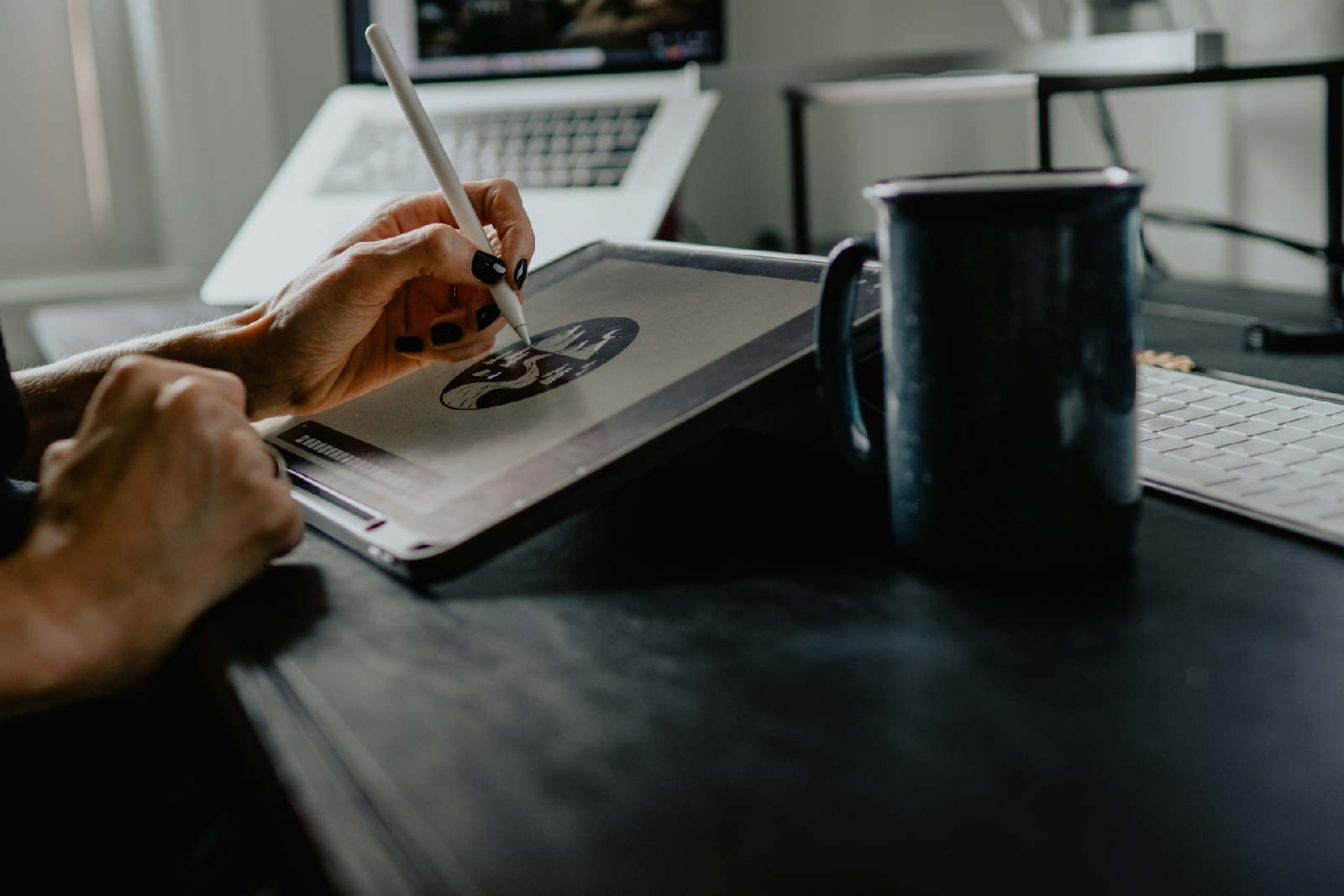
So let’s talk about what’s actually happening to AI concept artists in real production pipelines right now, not in theory.
Where AI Tools Actually Help AI Concept Artists
For AI concept artists, AI has gotten genuinely good at the early, messy part of the process — throwing out mood variations, silhouette options, quick color scripts. Work that used to eat a full day generating twenty rough thumbnails now takes an hour to generate two hundred, and your job shifts to picking the ones worth chasing. That’s a real change in how the work gets done, not something to wave off.
It’s also gotten decent at texture generation and environment fill work — the kind of tasks that, honestly, were never the interesting part of the job anyway. This is exactly where AI concept artists are gaining back hours in a normal production week.
Where AI Tools Still Need a Concept Artist’s Judgment
Where it falls apart is anything requiring actual direction. Holding a consistent visual language across hundreds of assets. Understanding why a color choice serves the story and not just the image. Making a call under a tight brief and a tighter deadline. None of that is something these tools do — they generate, they don’t direct. And that’s always been the real value AI concept artists bring that no model replicates on its own. Not “can you make an image” but “can you make the right one, over and over, in service of something bigger than the picture itself.”
Consistency is another weak spot. Matching a character across hundreds of shots, sticking to a studio’s style bible, picking up on the unspoken context you only get from being in the room during a creative discussion — AI still doesn’t do that well.
What This Means for Concept Artists Building a Career
So what does this actually mean for AI concept artists building a career right now?
If your value has mostly been “I execute a brief efficiently,” that part of the job is genuinely under pressure, and pretending otherwise isn’t doing you any favors. But if your value has been taste and judgment — knowing what actually works, not just producing options — that’s becoming more valuable, not less, precisely because raw image generation is now cheap and everywhere.
The move isn’t to reject these tools out of principle, or to adopt them blindly because everyone else is. It’s to get fluent enough with them that you can spend more of your time on the part of the job only you can do.
This industry has absorbed technology shifts before, and the artists who did fine were usually the ones who got curious early instead of either panicking or dismissing it outright. AI in art production is a tool shift, not an extinction event — but only for people willing to actually understand what it’s good at instead of just reacting to whatever headline crossed their feed that week.
That’s roughly the approach I want this blog to take. Not hype, not fear. Just a clear look at what’s real. If you’re an AI concept artist trying to figure out where to put your energy, that’s the lens worth applying: less time worrying about whether the tools will replace you, more time getting genuinely good with them so your judgment, not your hand speed, becomes the thing that’s hardest to copy. That’s the honest, useful version of this conversation. For a closer look at which specific tools are worth adopting versus skipping, see our breakdown of which AI tools for artists are actually worth learning.
If breakdowns like this are useful, follow ArtifexGrid for more grounded takes on AI, game art, and the working artist’s side of the industry.