Blender’s 2026 Roadmap Is Shaping Up to Be a Big Year for Game Artists
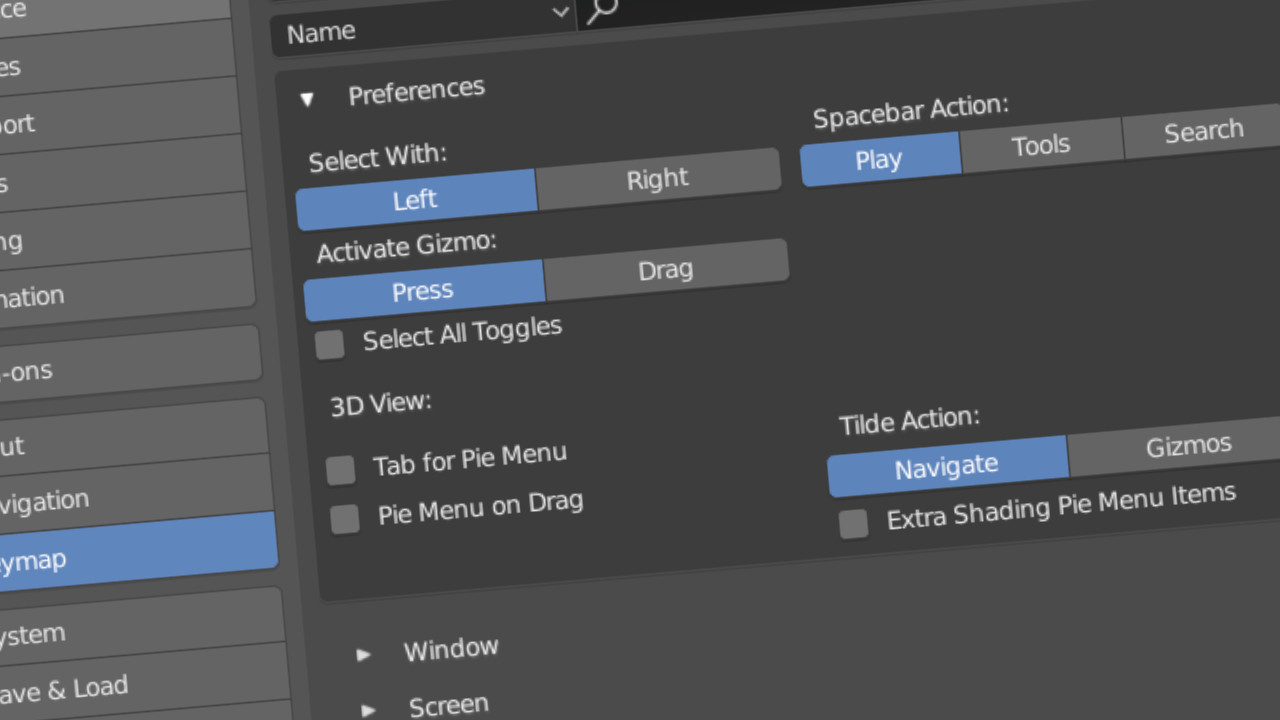
The Blender 2026 roadmap doesn’t have one big headline feature — it has three separate releases, each with its own personality, plus a handful of longer-term projects that matter more to game artists than to the film and animation crowd Blender usually gets discussed alongside. If you build assets for games rather than renders for a portfolio reel, this Blender 2026 roadmap is worth actually reading closely.
Table of Contents
Three Releases, Three Different Personalities
Blender 5.1 landed in March 2026 with improved planar reflections in Eevee — proper glossy reflection and refraction support — plus better VR navigation. Blender 5.2 followed in July, and Blender 5.3 is scheduled for November. That’s the core of the Blender 2026 roadmap in broad strokes. Full details on the version-by-version breakdown are available in CG Channel’s coverage of the 2026 development roadmap, which pulls directly from Blender’s own development notes.
The Features Game Artists Should Actually Care About
A lot of the Blender 2026 roadmap is aimed at VFX and film workflows, but several items on the list matter directly for game asset pipelines:
- Animation layers — development resumes this quarter, first appearing inside the Action Editor, useful for anyone layering procedural motion over hand-keyed animation
- Non-photorealistic rendering (NPR) — now moving from 2024 prototype into active development, which matters a lot if your game leans stylized rather than realistic
- Hair dynamics — a new Geometry Nodes-based solver aiming for feature parity with the existing system, but built to integrate with procedural workflows
- Cycles texture cache — a performance fix specifically for high-resolution texture rendering, which affects anyone iterating on detailed character or environment textures
- OpenPBR support — new material standard nodes for Cycles, aimed at keeping materials portable across engines and renderers
Online Asset Libraries Arrived in Blender 5.2
Blender 5.2 LTS added optional remote asset libraries and expanded its Essentials library with online base meshes, materials, HDRIs, and compositing effects. These assets can be downloaded as needed, while Blender remains usable offline. Blender says browsing third-party libraries through the Extensions platform is still a future improvement, so artists should not mistake that planned integration for a shipped feature. See Blender’s July 2026 Remote Asset Libraries announcement for setup details and current limits.
Blender Is Going Mobile — Yes, Really
Perhaps the most unexpected line item on the whole roadmap: an Android port, funded by Wacom, targeting touch-enabled tablets. It won’t replace a full desktop workflow, but it’s a meaningful step toward sketching, blocking out, or reviewing assets away from a workstation — closer to how digital painting tools like Procreate already work on tablets.
Why This Roadmap Matters More Than Usual
None of this is as flashy as a new render engine, but the Blender 2026 roadmap reads like a deliberate courtship of the game-dev side of its user base, rather than treating it as a side effect of film-industry tooling. That’s worth watching alongside the wider engine news this year — both Unity’s Unity 7 roadmap and Unreal and Unity’s push toward interoperability point toward 2027 being a genuinely different year for how game tooling fits together. If you also work across Adobe’s creative suite, it’s worth comparing notes with our breakdown of Adobe Firefly’s new AI assistant, which is chasing a similar workflow-simplification goal from the opposite direction.
Between the free asset library, the mobile port, and the NPR work, the Blender 2026 roadmap is one of the more developer-friendly plans Blender has published in years. Want art-tool roadmaps and software updates explained without the marketing fluff? Subscribe below — we cover releases like this as soon as they land.
Should You Actually Plan Around This Roadmap?
Roadmaps slip, and Blender’s is no exception historically — features listed for a given release sometimes land a version later than planned. Still, the direction here is clear enough to plan around even if individual dates move: game-focused features like NPR shading and hair dynamics are getting real engineering attention rather than being left to community add-ons, and that alone is worth tracking if your pipeline leans on Blender for anything beyond basic modeling.
The Bottom Line on Blender’s Direction
Taken as a whole, the Blender 2026 roadmap signals something more than a routine set of point releases. It reads like an intentional bet that game studios — not just film and VFX houses — are a big enough part of Blender’s user base to design features around directly, rather than as an afterthought bolted onto tools built for someone else’s workflow.