10 Signs 2026 Is Becoming a Turning Point for Game Design
Most “game design trends” lists are guesswork dressed up as insight. This one isn’t — it’s built from a batch of indie developers describing, in their own words, what’s actually reshaping game design trends in 2026. Pulled together and reported by Creative Bloq, the picture that emerges isn’t about one big shift. It’s about hardware, discoverability, and a years-long AI argument all colliding at once.
Table of Contents
Game Design Trends: Hardware Is Reshuffling Who Gets Seen
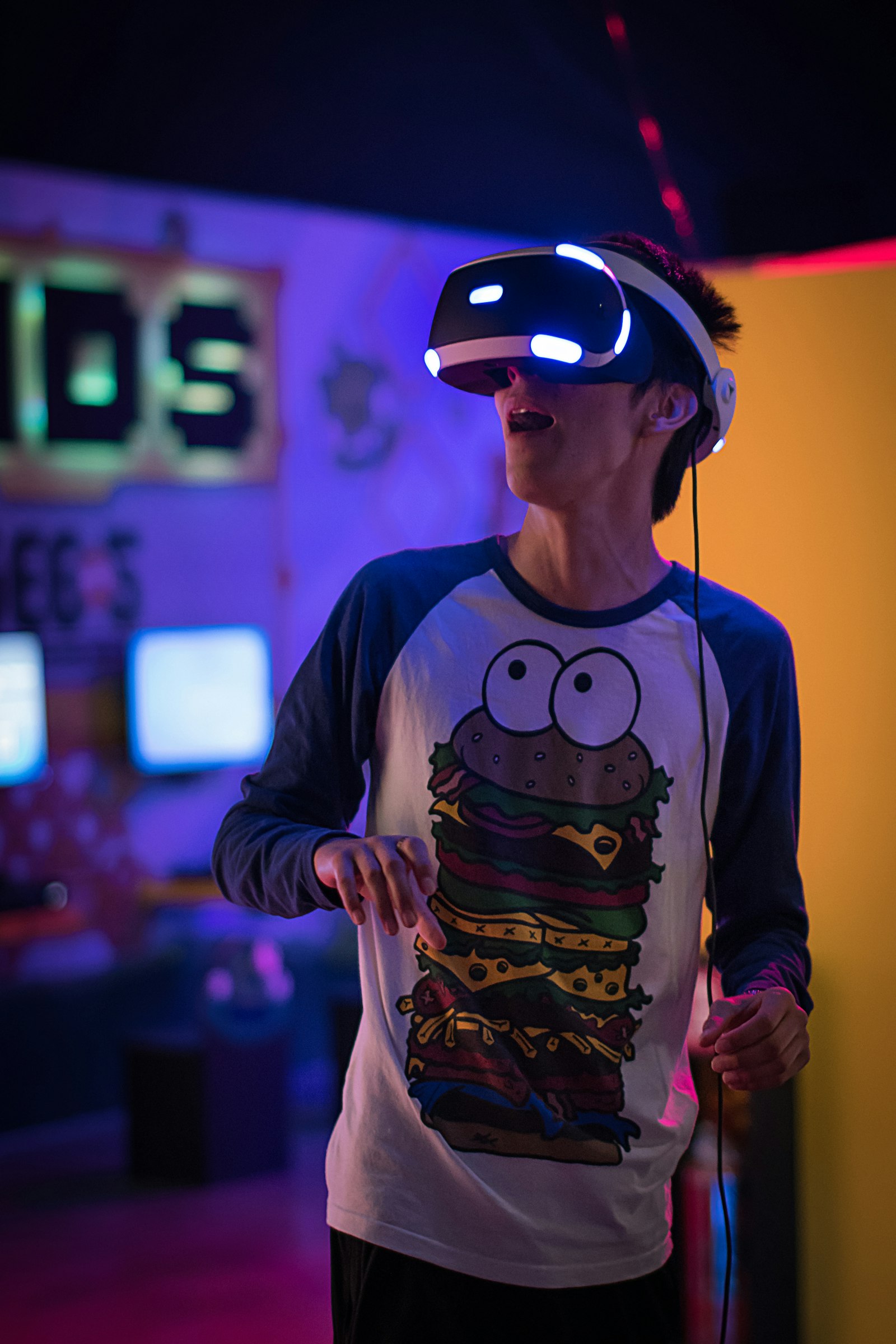
Switch 2’s success is real, but developers describe a catch: without an established IP, getting meaningful visibility on the platform is difficult. Nitrome’s Mat Annal put it plainly, noting indies are “struggling to gain access” without a recognizable name attached. Steam Machine and Steam Frame are drawing more optimism — Videoverse’s Lucy Blundell said she’d like to see Valve’s hardware reach retail shelves and a wider audience, while 17-Bit’s Jake Kazdal is genuinely excited about Steam Frame reviving VR, describing wanting to “come home, lie down on my couch, and have a giant screen in stereoscopic 3D.” It’s a good reminder that hardware cycles still quietly decide who gets discovered.
GTA 6 Is Already Reordering Everyone Else’s Release Calendar
Even a year out, GTA 6 is shaping how smaller studios plan their launches. Crescent Country’s Anna Hollinrake expects “everyone will be trying to get out of the blast radius” once it finally releases, and Earth Must Die’s Dan Marshall gave Rockstar credit for at least being transparent, giving the industry roughly six months’ notice. Whether or not that’s enough runway to dodge the impact is still an open question.
Discoverability, Not Development, Is the New Bottleneck
A recurring theme across the interviews: making the game was never really the hard part. No More Robots’ Mike Rose was blunt about the economics — “no one has any money” right now, and studios need to plan around that reality rather than hope for a bigger marketing budget. Dan Marshall’s frustration was more about store design, wanting to scroll through games he actually wants to play instead of endless expansion packs and bundles cluttering the front page.
The Industry Still Can’t Agree on AI
Unsurprisingly, AI came up more than any other single topic — and the developers quoted don’t agree with each other. Asterism’s Claire Morwood pointed to the pressure it creates: as more studios adopt AI tooling, “the baseline of productivity is pushed higher” for everyone, whether they want to use it or not. Mat Annal took the opposite framing, arguing AI is broadly “frowned upon as a shortcut,” and that distinctly hand-made work is what actually makes indie games stand out. It’s the same tension we covered in our own look at how the “AI slop” backlash got a game cancelled in 48 hours — this isn’t a hypothetical argument, it’s already shaping which games survive contact with players.
Stylized, Hand-Crafted Art Is Making a Comeback
Partly as a direct response to that AI fatigue, several developers pointed to a swing back toward stylized, clearly hand-crafted visuals. Claire Morwood described wanting to see “games that push the art form creatively” rather than chase ever-shinier technology for its own sake. If that holds, it’s good news for artists leaning into distinctive, non-photorealistic looks — which lines up neatly with Blender’s own 2026 roadmap, where non-photorealistic rendering has moved from prototype into active development at exactly the right moment.
These game design trends aren’t guaranteed to hold, but they’re grounded in what working developers are actually seeing right now. You can read the full set of developer interviews in Creative Bloq’s original piece, which covers a few additional angles — including the Game Pass price hike and the rise of co-op “friendslop” titles — that didn’t make the cut here.
Want game art and design trends broken down like this every week? Subscribe below — new coverage goes up as soon as the news does.
What These Game Design Trends Mean for Smaller Studios
None of these game design trends point to one single strategy that guarantees a successful launch in 2026. But together, they sketch a rough map: hardware cycles still decide who gets seen, discoverability matters as much as the game itself, and the AI debate isn’t going away quietly. Studios that plan around all three — rather than betting everything on making a great game and hoping the rest sorts itself out — seem to be the ones developers are describing as having a real shot this year.